Finalists of the Go Global MBA Scholarship 2026
Read on educations.com
MA in Global Media Studies, Stockholm University. I plan and make content and campaigns. I also write AI-assisted scripts that cut two weeks of manual screening to seconds, built so personal data stays protected and a person makes every decision.
Marketing, communications and media. English and Chinese. Eligible to work in Sweden.


Short videos, carousels and articles, each sending the reader to a specific page.

Partners, interviews, deadlines and publishing, in the right order.

Interviews, comment analysis and numbers, turned into decisions.
Each one has a problem, what I did, and the result. Click through for the full story.
1 · Short video
Turning long articles and reports into short videos that send viewers to the right page.
The problem
The company had long articles, research reports and YouTube videos, but almost nothing made for TikTok, where many prospective students actually are.
What I did
I built a repeatable workflow: pick the source, choose video or carousel by its structure, write the script and cut sheet, produce it in CapCut and Canva, and give every post a call to action that lands on the matching page.
The result
66 videos and carousels in six months, each with a working link to a specific page on the site.
2 · Campaigns
Choosing finalists, interviewing them, and publishing winner stories, in the right order every time.
The problem
Each scholarship cycle has many steps and many people, and one wrong email or an early social post lands on a real student's name.
What I did
I ran the whole chain: selection, notifications, interviews with my manager, a scored recommendation for the supervisor, then publishing in a fixed order: written acceptance first, then the other finalists, then social, then the article.
The result
8 campaigns (6 of them end to end) with partners such as IAESTE and Girls on Campus, 20+ finalists interviewed from 15+ countries, 12 articles published, and no announcement ever out of order.

Read on educations.com
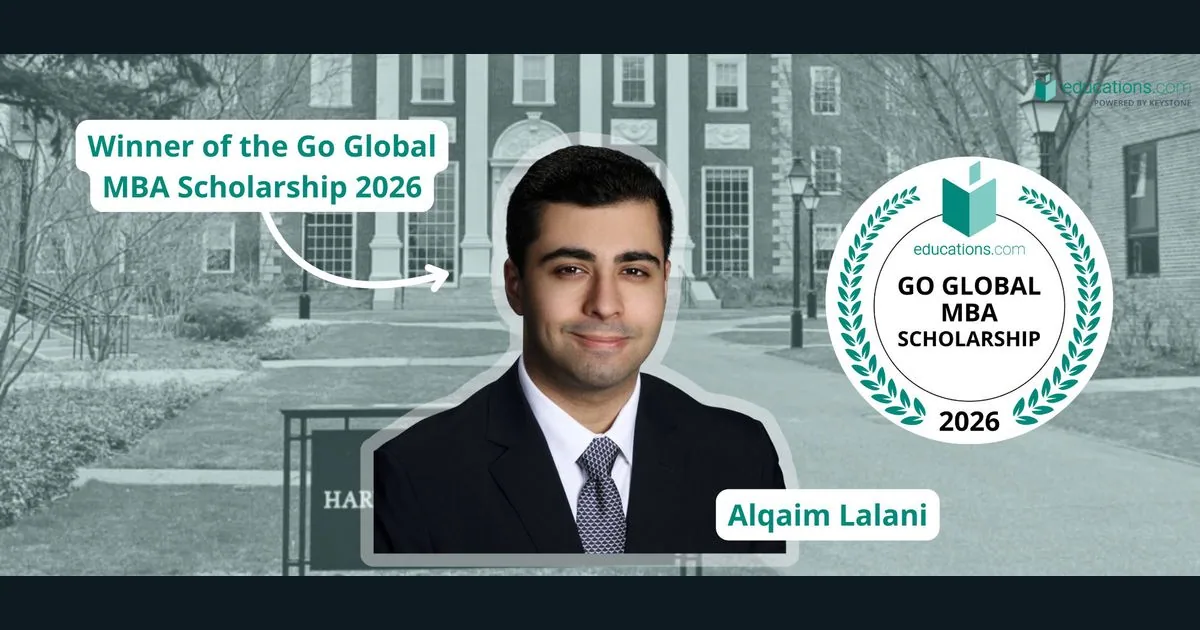
Read on educations.com

Read on educations.com
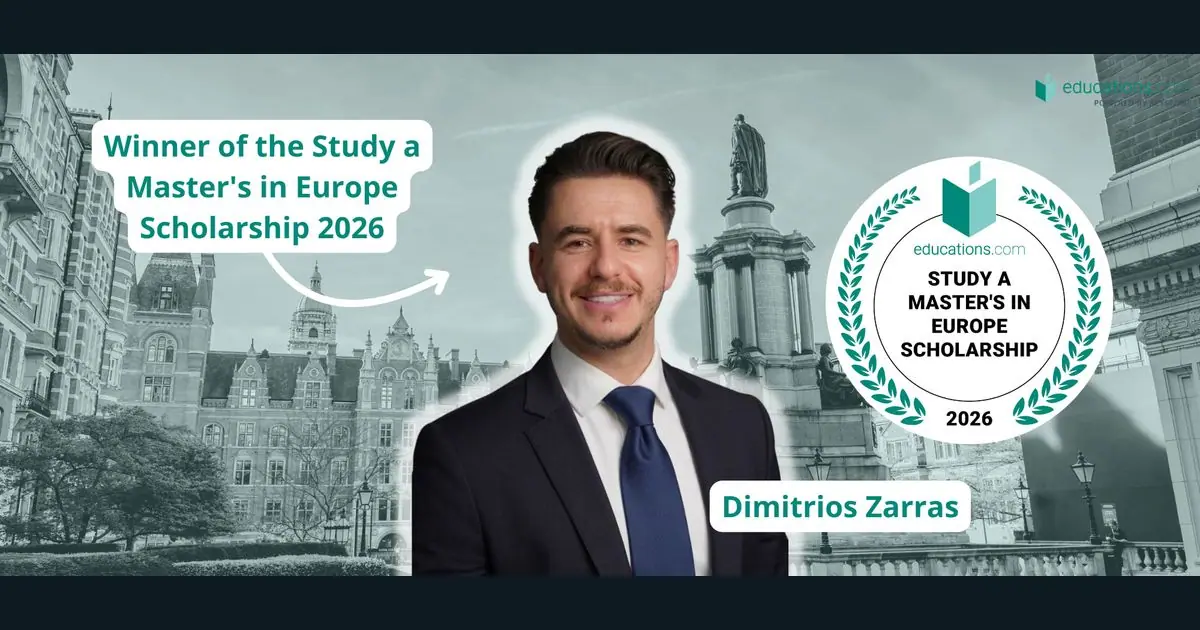
Read on educations.com

Read on educations.com
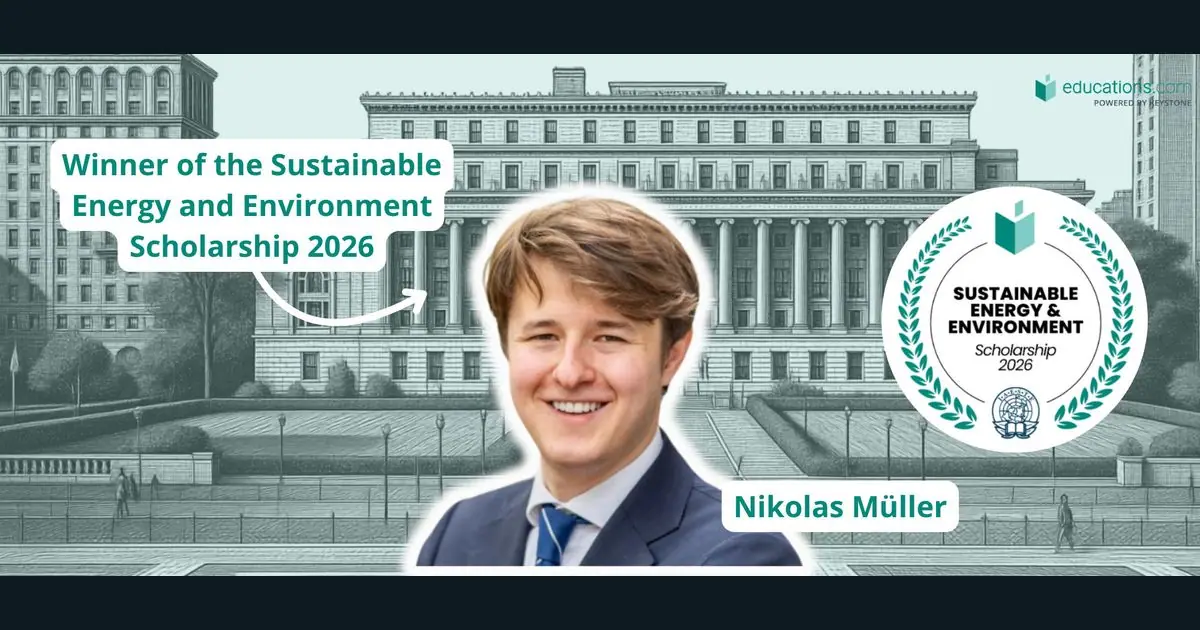
Read on educations.com
Read on educations.com

Read on educations.com

Read on educations.com
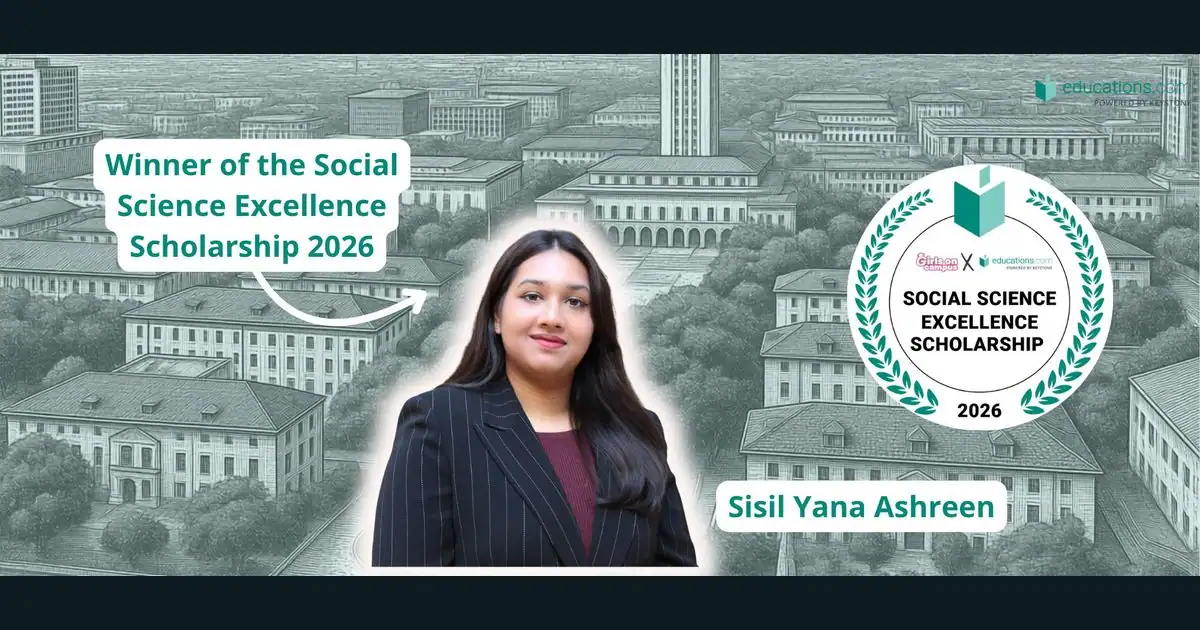
Read on educations.com

Read on educations.com
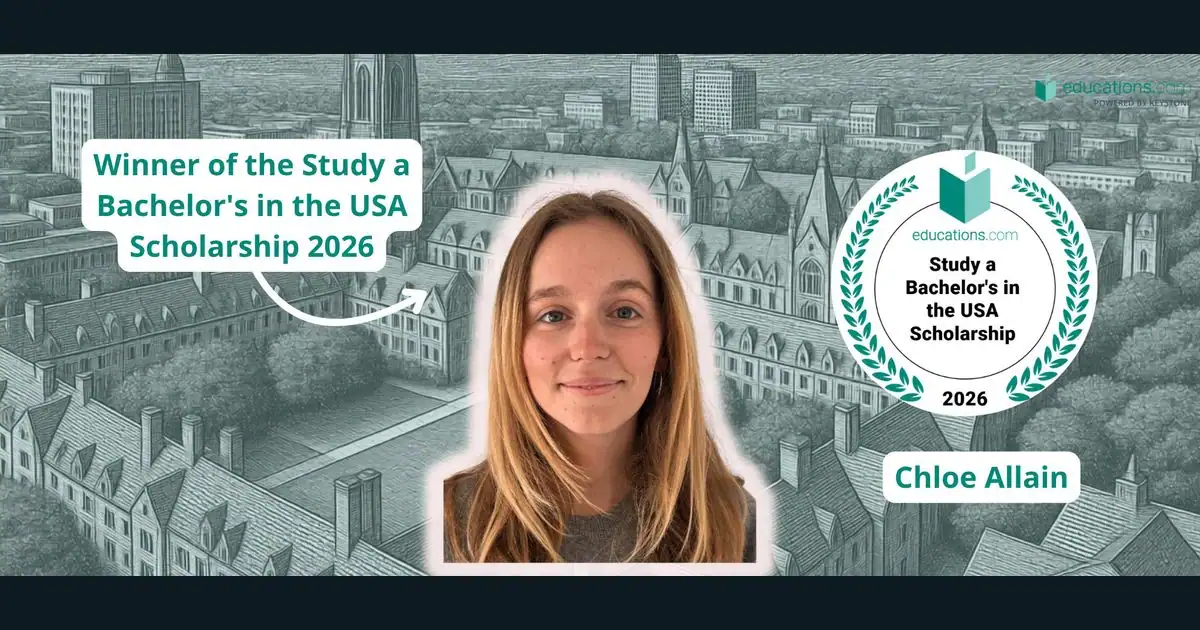
Read on educations.com
3 · Process and AI
A rule-based tool that reads every application and explains its verdict, so people spend their time on the decisions.
The problem
Reading every application by hand took about two weeks per scholarship, and it was easy to miss things in long, similar-looking essays.
What I did
I wrote a two-round Python tool with AI-assisted development. Round one checks eligibility and writes a reason on every row. Round two scores how specific each essay is. Unclear cases go to a person, and the supervisor makes every final call. No AI decides anything about an applicant.
The result
Reused across 5 scholarships. Two weeks of reading became a run measured in seconds, with human review after. My manager said publicly that it saved the team hours every week.

The sieve sorts, the scale weighs, a person decides.
a person reads and decides; nothing is automatic
| status | reason |
|---|---|
| Manual Review | Programme name did not match the eligible list; confirm before any decision |
4 · Audience insight
Three questions that made every interview useful for marketing, and a way to use application data without exposing anyone.
The problem
Interviews only served to pick a winner, and the brand still did not know why students choose a country or a university, or what nearly stops them.
What I did
I rebuilt the interview around three questions (why this country, why this university, what nearly stopped you), and wrote a script that summarises application data into counts only, inside the company's own Microsoft 365 system, so no individual data ever leaves it.
The result
One interview now feeds three things: the winner story, social content and a cycle-end audience brief. Individual data stays put; only totals come out.
5 · Research
My master's thesis: 5,289 Weibo comments about a Thai performer, a Paris venue and a Chinese-language argument over freedom, read by what people actually saw rather than by how often things were said.
The problem
Brands watching a controversy usually count mentions. But on a platform ranked by likes, a handful of comments carry most of what anyone actually reads, so counting everything equally describes a conversation nobody had. I wanted to know how a shared opinion forms in that gap, using a case that crossed three markets at once.
What I did
I collected 5,289 comments under 219 Weibo posts and sampled by visibility instead of volume: every comment above 500 likes (246 of them, carrying 86.9% of all the likes), plus a random tail of 200 so I could still say something about the quiet majority. I coded 446 comments, close-read 29, and wrote down all 28 borderline judgement calls so another person could check the work. I did not clean the corpus first, because filtering to the relevant comments would have turned rarity into something I had created myself.
The result
Passed public defence at Stockholm University, August 2026. The two vocabularies moved in opposite directions: nation words appeared in 260 comments, class words in only 98, yet class-framed comments drew about three times the likes each (699 against 231). Counting would have called the argument nationalist. Weighting by what people saw showed it was settled by class, and settled by renaming the thing rather than by arguing about it.
What this means for a brand
Share of voice measures who spoke. This measures who was seen, which is the number that predicts what a newcomer to the thread ends up believing. The same design works on a product launch or a brand incident on Chinese platforms: weight by attention, keep the raw corpus, report frequency and reach as two separate figures, and watch which label is winning rather than which way a sentiment score moved. Then leave the decision log, so the insight is something a colleague can check instead of take on trust.
Counting says one thing. Attention says another.
| Nation-framed / Class-framed | How often it was said | How much it was seen |
|---|---|---|
| Nation-framed | 260 comments | 231 likes each |
| Class-framed | 98 comments | 699 likes each |
over revenue target
NetEase Youdao: analysed traffic and competitors for a course line that beat its revenue target by 20%.
renewal rate
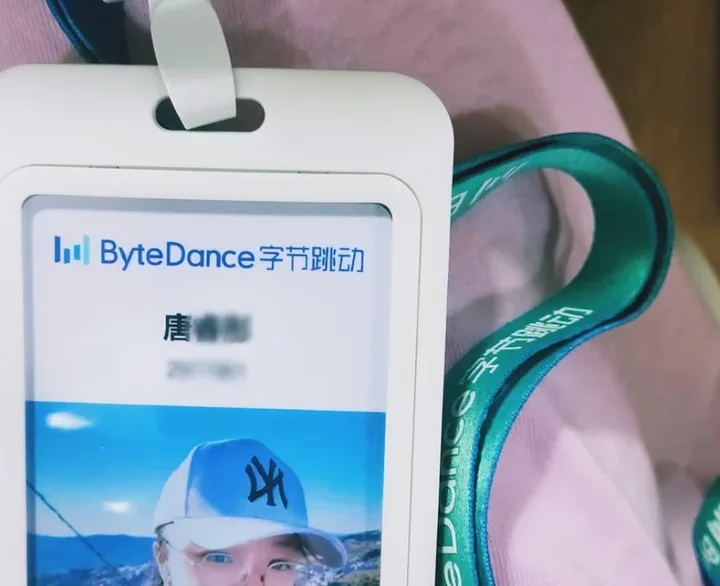
ByteDance (Qingbei Online School): ran CRM outreach behind a 70% renewal rate and 46% growth in daily users.

module DAU lift
Zhihu: wrote 40+ playbooks and 100+ posts that lifted a community module's daily users by 50%.

I am a marketing, communications and media professional based in Sweden, with an MA in Global Media Studies from Stockholm University and a BA in Journalism. I take content from idea to publishing and follow-up: text, short video and carousels for web and social, campaigns coordinated with partners and internal teams, and qualitative audience research. Most recently I ran the scholarship programme and TikTok content at educations.com (Keystone Education Group). Before Sweden I worked in product, user and content operations at NetEase Youdao, ByteDance and Zhihu in Beijing. I build AI-assisted workflows with a person in every decision, using Claude and Python.
Languages. Chinese (native), English (fluent, professional working proficiency), Swedish (A2, SFI course C, studying)
Work permit. Eligible to work in Sweden.
Jag heter Ruitong och bor i Sverige. Jag arbetar med innehåll, kampanjer och sociala medier. Jag lär mig svenska på SFI.
Reference available on request.